
As a seasoned interior designer, I’ve guided many parents through the process of designing a child’s room that’s not just visually appealing, but also safe and functional.
One element that can’t be overlooked is lighting. Just light flooring – it’s easy to overlook the lighting that keeps your room usable.
From ensuring there’s enough light for activities to avoiding any potential hazards, choosing the right lighting can make a world of difference. Let’s shine a light on some safety-conscious kids room lighting ideas.
Understanding Lighting Needs
First and foremost, it’s essential to understand the unique lighting needs of a child’s room. Unlike adults, children use their rooms for a variety of activities beyond sleeping, such as playing, studying, and reading. Thus, their rooms require a versatile lighting plan that safely supports these activities.
General Lighting: The Starting Point
The starting point for any room’s lighting is the general, or ambient, lighting. This is the main source of light that fills the room, often coming from a ceiling fixture.
Ceiling Fixtures
When choosing a ceiling fixture for a child’s room, the key word is safety. You want something that is securely mounted, and that doesn’t pose a risk of falling or becoming a plaything. Flush-mount fixtures are a great choice. They are secured directly to the ceiling, reducing the risk of accidents and eliminating the temptation to hang things from them.
For an added element of fun, look for flush-mount fixtures with child-friendly designs, like clouds, stars, or animals. Just make sure any decorative elements are firmly attached and can’t be easily removed.
Natural Lighting
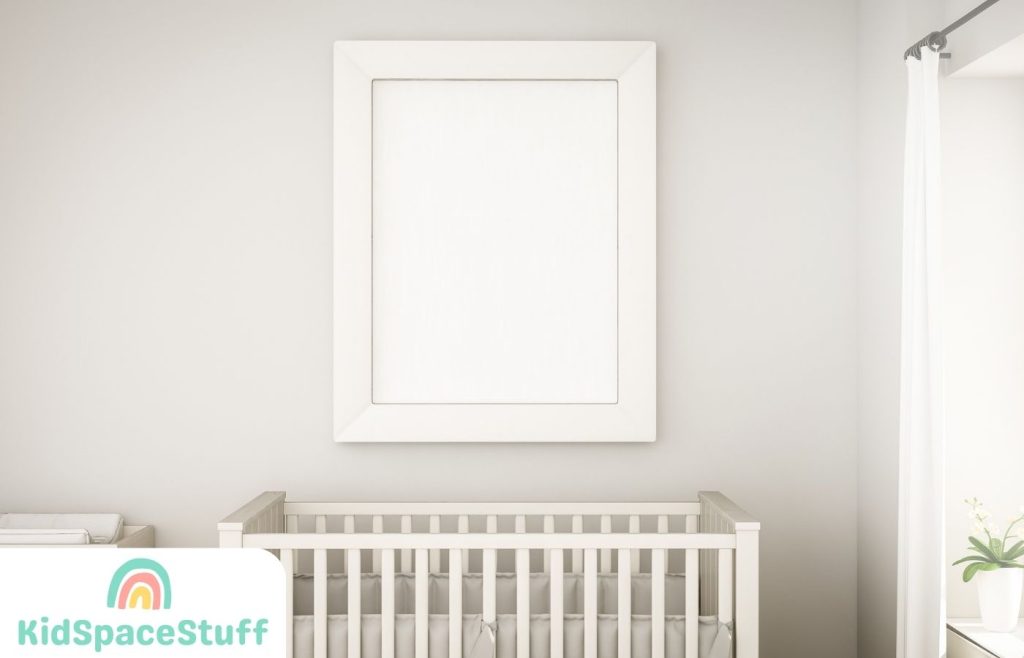
Natural light is a crucial element in any room, especially in a child’s space. It not only brings warmth and vibrancy but also has numerous health benefits. It aids in regulating the body’s circadian rhythm, improves mood, and enhances focus—important for study and play.
For play areas, a well-lit space can make the room feel more welcoming and engaging. If your child enjoys drawing or other creative activities, good natural light is a big plus.
That said, while natural light is beneficial, too much direct sunlight can lead to a hot, uncomfortable room, or worse, sunburn.
Windows and sun lights can be a great, safe way to light your kids room and I highly recommend it if possible.
Task Lighting: For Focused Activities
Task lighting, as the name suggests, is meant to illuminate areas where specific tasks are performed, like reading or studying.
Desk Lamps
A desk lamp is a must-have for older kids who do homework or other activities at a desk. Opt for one with a flexible arm that can adjust the direction of light as needed. This will prevent strain on your child’s eyes.
Look for desk lamps with sturdy bases and secure fastenings to reduce the chance of them being knocked over. Additionally, choose lamps with LED light bulbs. These stay cool to the touch, which is safer in a child’s room.
Bedside Lamps
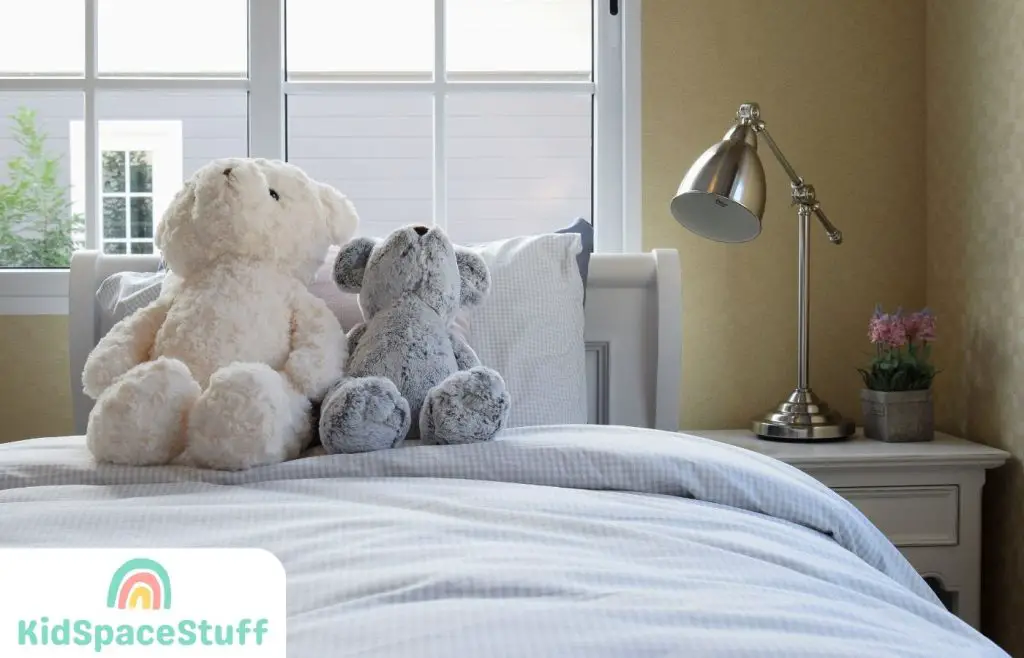
For reading before bed, a bedside lamp is ideal. Again, opt for one with a sturdy base and LED bulb. Consider a lamp with a touch sensor or an easy-to-reach switch so your child can easily turn it on and off.
I also highly recommend these best night lights for kids to keep your children safe and sleeping!
Accent Lighting: The Fun Element
Accent lighting is the perfect opportunity to inject some fun into your child’s room, all while keeping safety in mind.
Night Lights
Night lights can be a reassuring presence for children who might feel uncomfortable in the dark. There are countless child-friendly designs to choose from. For the safest option, go for a night light with a cool-touch LED bulb. Some even have a timer feature, so they switch off automatically after a set period of time.
String Lights
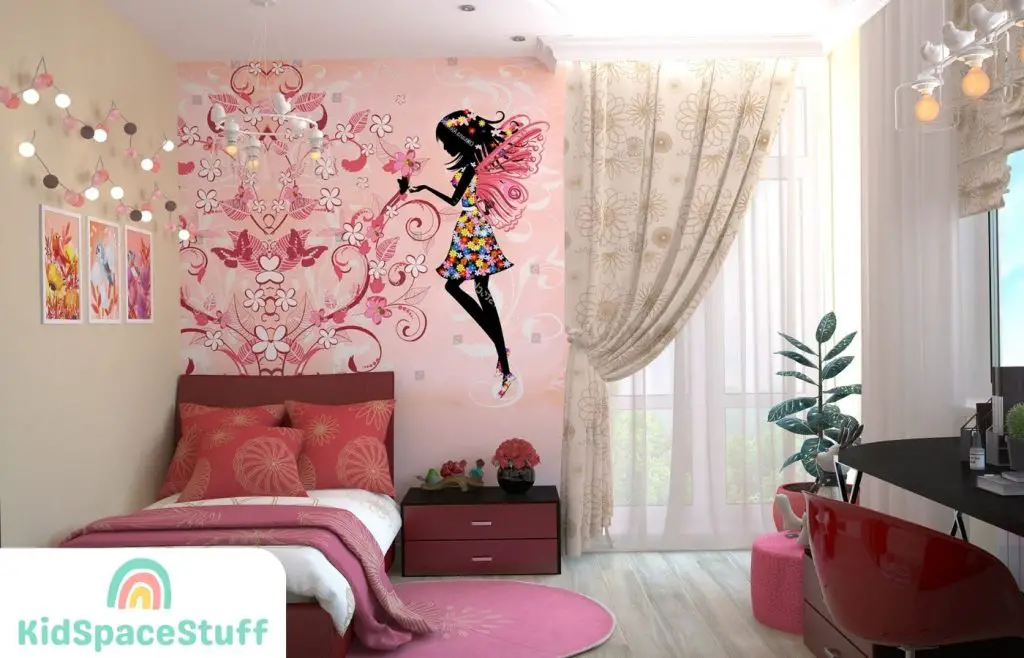
String lights can add a touch of whimsy to a child’s room, but they must be used with caution. Only use string lights that have been safety tested and avoid using them around the bed where they might get too close to bedding materials. Always turn them off when the room is unattended.
Need more inspiration? Check out these kids room lighting ideas!
Safety Tips
To ensure your child’s room is as safe as possible, here are some additional tips:
- Avoid Floor Lamps: While floor lamps can be a stylish addition to a room, in a child’s space, they can easily be knocked over during playtime. It’s safer to stick with wall-mounted, ceiling, or table lighting.
- Use LED Bulbs: LED bulbs stay cool to the touch, making them the safest choice for a child’s room.
- Secure Cords: Keep cords for any lighting fixtures well out of reach, or secure them against the wall to prevent your child from pulling a lamp down.
- Consider Light Switches: Think about replacing traditional light switches with rocker switches, which are easier for small hands to operate.
Final Thoughts
When it comes to children’s rooms, safety should always be the top priority—even when choosing something as seemingly simple as lighting. By considering your child’s activities, selecting the right types of lighting, and following safety guidelines, you can create a space that is not only safe but also bright, inviting, and perfectly suited to your child’s needs.

KidSpaceStuff is a site dedicated to helping parents find the best interior design, activities, and inspiration for their kids.